
I tend to read a lot of craft books. My nature is, when I cannot do something, to study it more intensely till I can. I thought I would list the books I have read this year and give just a one line impression of each. Hopefully, someone finds something here intriguing, and if you have something good I haven’t got in the list below, let me know so I can read it!
We’ll start with INSPIRATIONAL books:
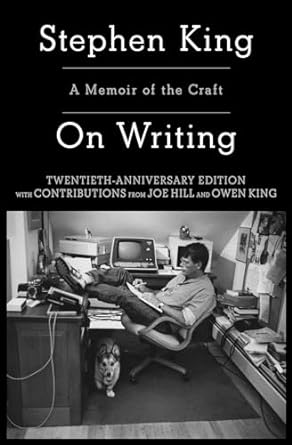
This is a slight cheat – it is the only book in this list I didn’t read in 2023, I read it years ago. But it’s such a classic I have to have it in or someone will suggest it! Some people have said they learned a lot from this – for me I found it inspirational – his determination, his commitment – but not instructive. He is a 100% pantser and I am almost the opposite. Still, we all need inspiration now and again and it’s great for that!

Sticking to the theme of inspiration, this is a collection of 28 essays from instructors at Clarion West writers workshop. Some are pure inspiration, some are instructional. It’s an easy read and a nice change up of pace.

And though some I know will feel this should be in the category of instructional, I’m personally keeping it in ‘inspirational’. I hear this book recommended almost more than any other. I liked it. But I didn’t find it deep and I found some of the discussions hard to follow, but it’s made up for by the beautiful illustrations on every page, most of which I did not find instructional either, but made it a fun book to open. And sometimes that’s half the battle.
How about OUTLINING:

The classic scriptwriting approach applied to novel writing. I enjoyed it. It’s a little simplistic, but when you’re starting, simplistic works. I did feel some of the examples were a ‘forced fit’ but in general some good solid techniques are reviewed,

I didn’t think it was revolutionary, but its a good, solid example of the three act story taught well, with examples that make sense (a lot of analysis of Star Wars – perhaps why I liked it). I didn’t quite agree with the idea of ‘auditioning your characters’ but overall a solid read with solid writing structure lessons.
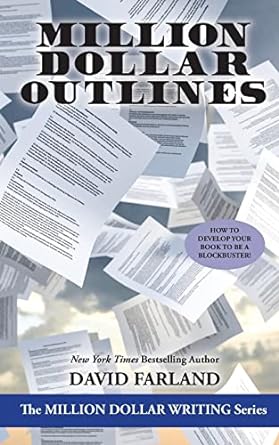
An interesting treatise on the idea that different genres evoke different emotions and you need to make sure you are evoking the right ones. Also talks about audience in an interesting way. There are a couple of statements that seem dated (the book pre-dates 50 Shades of Grey which definitively disproved for me some of the authors theories on what kinds of things women will read…) but nonetheless this is a definite ‘worth reading’ if only for the quote “…your motivations for wanting to write are probably complex. You may have a few great passions, you may want to be rich and famous, and you may need therapy.”

Productivity probably deserves its own category, but as I only read one book on it I’m lumping it in with plotting, as both can make your time more efficient (in my experience). This is a solid contribution. Some of it common sense. I never did get to 5000 words per hour, but then I can’t do dictation.
Moving on to more GENERAL CRAFT books:

Not my favorite. The main idea seems to be that in order to feel ‘real’ and complex your characters need backstory as does your world. So write all of that in preparation for writing the actual novel. It seemed to me to be the classic writers trap of constantly ‘preparing to write’.
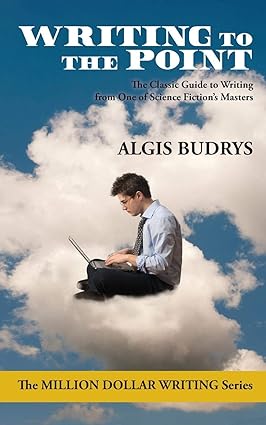
Now this is ‘old style’. It talks about the try-fail cycle and that it must be done 3 times. It is essentially the ‘traditional recipe’ and is particularly applicable to short stories. I thought it was clear and concise and I enjoyed it. It’s a great place to start, just know that there are other story structures.
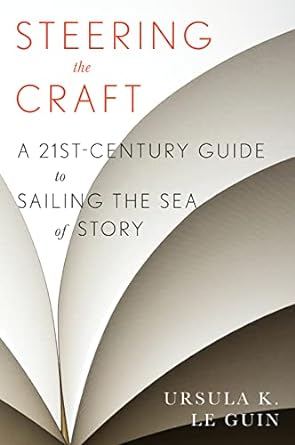
This is probably my favorite book in the whole list. Delightful to read, engaging, witty, and (at least to me) surprisingly modern. Ursula K Le Guin on everything ‘writing’ from swearing to twitter! And yet incredibly practical.
Now onto some books on SPECIFIC SKILLS:

An interesting read. Probably the best part of the book is about the MICE quotient but I found the explanation of that by Mary Robinette Kowal in Writing Excuses podcast very practical.
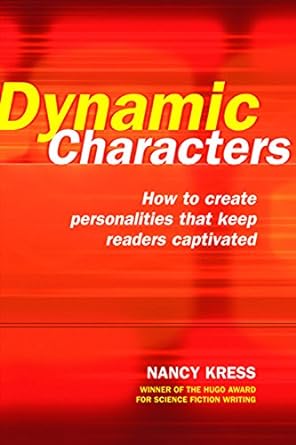
But this is my go to book for character creation.

And this book by Donald Maas is crammed full of practical exercises. Not useless exercises – these are exercises that you can immediately apply to your existing writing and that will make it better. I’m on my second time through reading it as it is so dense in lessons. But you need a bit of stamina to plow through as that density – the very thing that makes it so good – is also what makes it a slow, tough read at points. But worth it.

Another great read, and another book I am re-reading to try and get more out of it. Not nearly as dense as the Maas book, but still very good.

Can you learn to write funny? Why not. Stand up comics get better with practice, and if practice improves things that says to me there’s skill to it, timing, etc. ie learnable skills. So it didn’t make me funny, but I’m not a funny person. Nevertheless, I do think this book has some valuable insights.
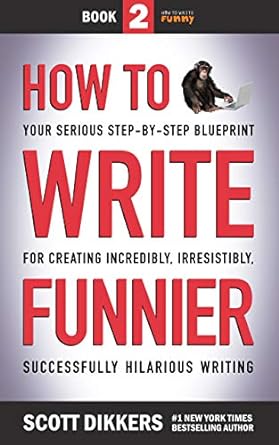
Though I recommend reading the first volume in this series I am unsure that I would recommend the sequels. They may go from funny, to funnier, but in terms of practical help they go from helpful to… well, not ‘helpfulier’ is all I’m saying.

While I learned a lot from vol 1, and a tad more though not much practical use to me from vol 2, I really didn’t get much from vol 3. Perhaps if you are wanting to truly write funny novels it would help. My only goal was to write one, semi-funny short story. Vol 1 has that covered.
Now with all that plotting, productivity and skill building, we should probably also talk about EDITING:

So you have your first draft, now what do you do? You fix it. This is how.

Once you are done with your three drafts Ken Rand’s classic on getting rid of the chaff is well worth your time.
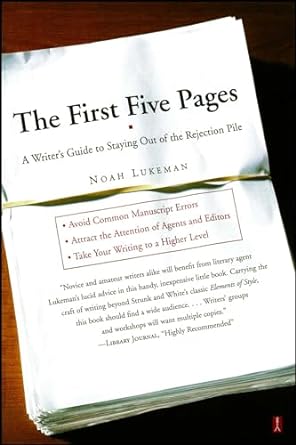
But it’s the beginning of your novel that is what’s going to make that agent request a full or not. So it’s worth the time investment. This book won’t get every agent requesting pages – there’s still an element of fit – but it will get your first pages into tip top shape to maximize your chances when it’s in the right hands.
Now you may be thinking “Wow, he spends a lot on craft books.” and you may be right, but I will point out that multiple of these are on kindle unlimited, and even if you add up the brand new cover price of all of these books together you will find I still would have spent less than the airfare to Clarion, let alone the tuition fee. At least that’s my way of justifying this indulgence!
If you have any favorite craft books you would like to recommend, please share them in the comments below!
 Gideon P. Smith
I agree that King’s “On Writing” is more inspirational than instructive. My absolute favorite inspirational book for creative people though would have to be Elizabeth Gilbert’s “Big Magic.” I’ve read it at least six times, usually one a year, sometimes more.
LikeLike
Awesome! Thank you for the recommendation, I will look it up 🙂
LikeLike