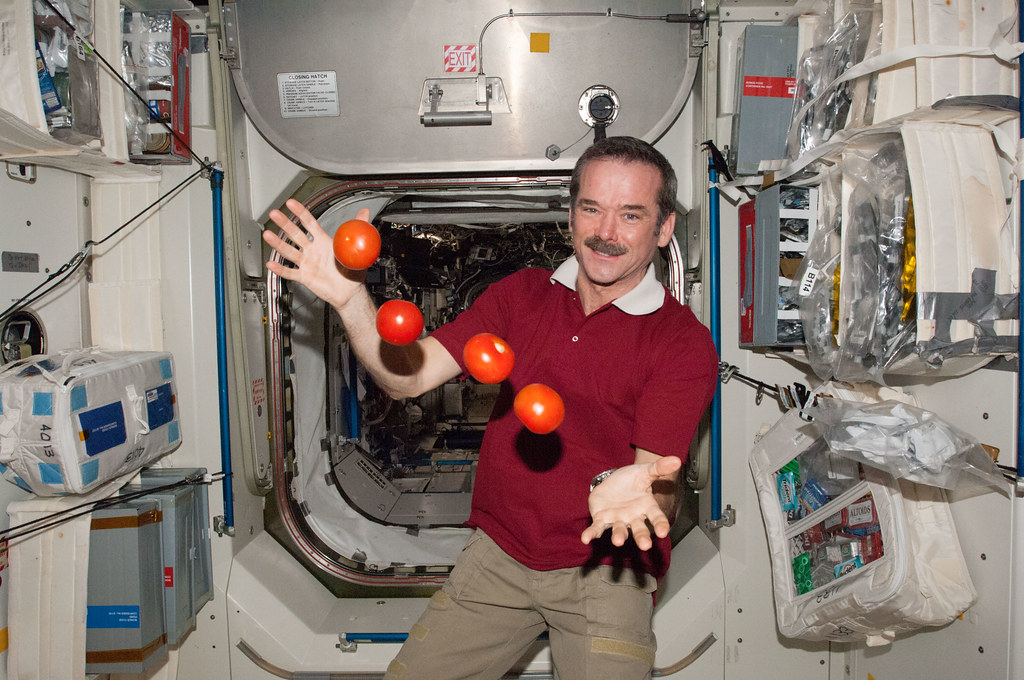
To be succesful at writing, I’ve come to believe that its more your ability to juggle, than anything else that will help you. But there’s a peculiar myth that runs through popular culture—the idea that success boils down to one secret, one golden rule, one repeatable habit that will unlock greatness. Ask a Hollywood star how they got shredded for a role, and the answer is often “chicken.” Just lots and lots of chicken. Ask an entrepreneur or scientist their secret, and they’ll tell you it’s about asking questions. Writers? Almost invariably, it’s “read.” Read widely. Read voraciously.
And while all of these hold a kernel of truth, they are never the whole truth.
Not all chicken builds abs. Fried chicken won’t get you a six-pack. Neither will chicken breast if you’re eating it on the couch and never setting foot in a gym. Similarly, not all questions lead to innovation—some questions are dead ends, irrelevant, or simply wrong. And not all reading makes you a writer. If you’re reading the literary equivalent of fried chicken—books devoid of craft, depth, or complexity—you’re not nourishing your writing. Even worse, if you read passively, you’re consuming words without understanding how they work.
Reading Is Necessary—but Not Sufficient
Let’s be clear: if you want to write well, you do need to read. But not just anything, and not just mindlessly. Reading is not osmosis. You don’t absorb literary brilliance by proximity.
Reading helps you:
- See what has been done and how it was done
- Build your vocabulary and syntactic range
- Internalize rhythm, pacing, and structure
- Expand your empathy and worldview
- Learn the rules—so you can later break them
But reading alone is like watching others lift weights and expecting your own muscles to grow. Eventually, you need to pick up the pen—or keyboard—and write.
The Other Secrets (That Aren’t So Secret)
Here’s the more complete picture:
- Read Widely—and Analytically
Don’t just read for plot. Ask:- What is this writer doing with structure?
- How do they build tension?
- Why does this dialogue work (or not)?
- How do they control the flow of information?
- Write Relentlessly
Reading is your input. Writing is your output. You must practice. Writing helps you:- Develop your voice
- Learn pacing through trial and error
- Discover what themes and ideas matter to you
- Build stamina and discipline
- Finish things—because finished is better than perfect
- Revise Ruthlessly
The first draft is the raw material. The real writing is in the rewriting. Analyze your own work with the same sharp eye you bring to your favorite authors. - Seek Feedback and Community
You don’t have to write in isolation. Join a workshop. Trade pages with a trusted reader. Other people see your blind spots—and you’ll learn from theirs too. - Understand the Market—If You Want to Sell
If your goal is publication, you’ll need to understand trends, tropes, and genres. Commercial success isn’t just about quality—it’s also about timing, marketing, and connections. That doesn’t mean writing to trend, but it does mean writing with awareness. - Leave Room for Luck and Timing
This part is out of your control. But that’s all the more reason to focus on what is in your control: the quality of your craft and the consistency of your efforts.
In the End
There is no magic bullet. No one thing that will make you a great writer. But if you read like a writer, write like you mean it, and revise with ferocity anf the humility to know you’re never done — you’re probably on the path.
So go ahead and read. But don’t forget to write. And learn to juggle. Just, don’t be fooled by chicken.
How would you modify the above? Let me know what you have learned along the path! Thoughts and feedback, as always, welcome in the comments below!
 Gideon P. Smith
I’m guilty as charged at using reading as an excuse for not writing. “But it’s a craft book,” I tell myself. “It’ll teach me that one magical secret I’m missing to unlock all my creative success!” At this stage — at least for me after fourteen years of writing — reading craft books is just a procrastination tactic. I do need to put butt in chair and fingers on keyboard way, way more.
LikeLiked by 1 person