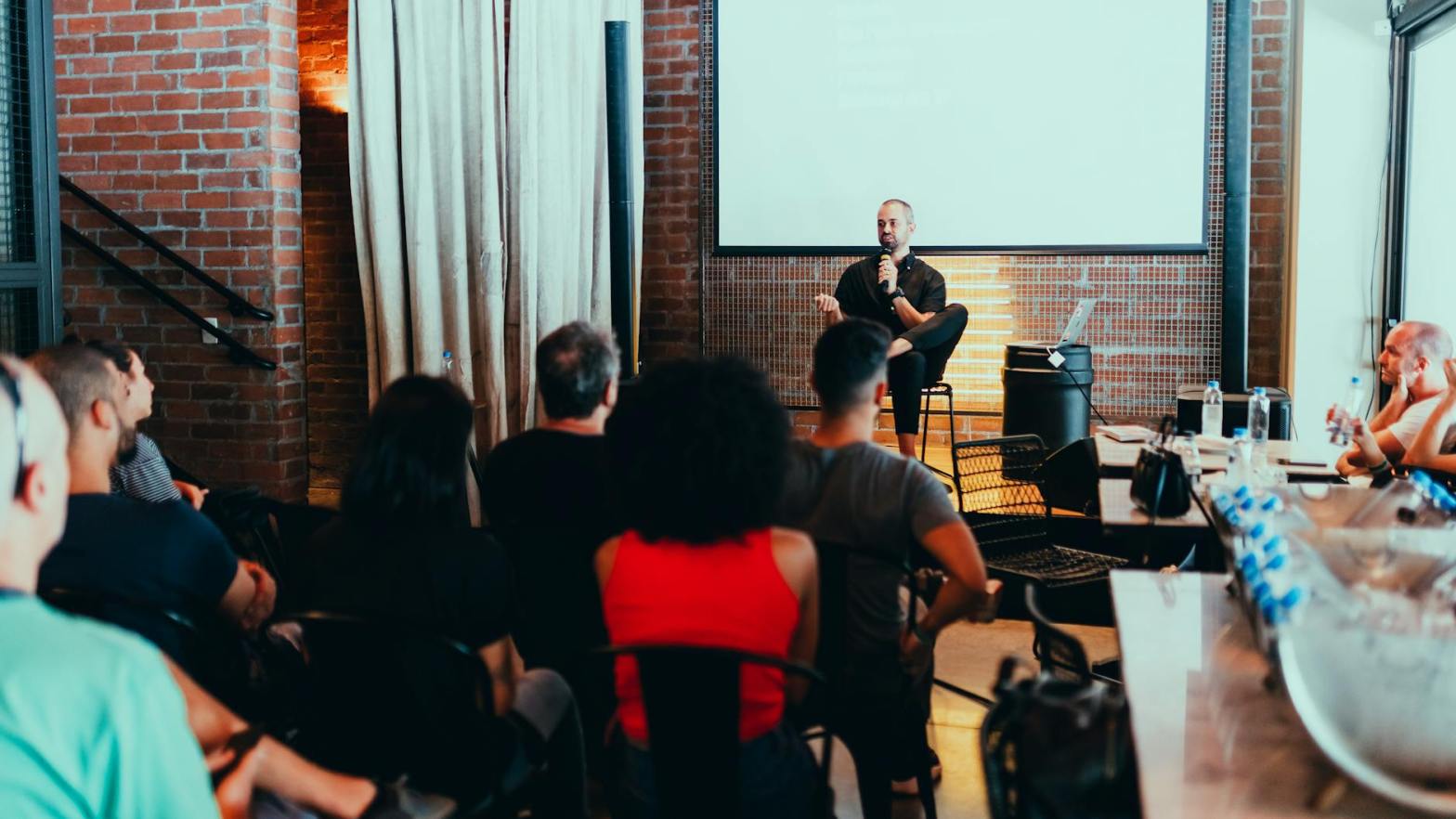
Being invited onto a convention panel can be flattering—and surprisingly stressful. You want to sound smart. You want to contribute. You don’t want to freeze or ramble or realize halfway through that you have nothing useful to say.
One of the best ways to reduce that stress is to reframe the panel. You’re not being asked to deliver brilliance on demand. You’re being asked to join a conversation.
Still, preparation helps. Before the panel, ask yourself: If this were a lecture, what are the two or three points I’d want the audience to walk away with? You don’t need a script, but having anchor ideas keeps you grounded.
Concrete examples are gold. Specific books. Specific stories. Moments where a craft principle actually worked—or failed. These do more for an audience than abstract advice ever could.
It’s also okay to prepare anecdotes: the time something didn’t sell, the revision that unlocked a story, the misconception you once believed. Panels are at their best when they feel human, not authoritative.
Finally, remember that silence is allowed. You don’t have to answer every question instantly or dominate the conversation. Thoughtful pauses and concise responses often land better than improvisational brilliance.
A good panel isn’t about proving yourself. It’s about offering something useful—and enjoying the exchange while you’re at it.
 Gideon P. Smith