I tend to read a lot of craft books. Last year I made a list of 20 craft books I had read giving just a one-line impression of each. It’s here if you want to give that one a look. The best thing about doing that was I got a ton of messages from people recommending other craft books, for which I would like to say ‘Thank you’! Though I’ve read less craft books this year (I have spent more time on writers podcasts and may make a post about that if there is interest) I decided I would do it again with the craft books I did read this year.
We’ll start with INSPIRATIONAL books:
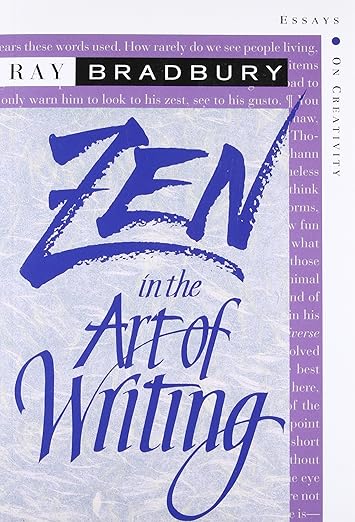
This is one of my favorite book of inspiration. Ray Bradbury was great short story writer and his love of the craft of writing is evident. Enthusiasm, encouragement, and small amount of chiding for those excuses we all make oozes from the pages and you can’t help but feel inspired through simple osmosis. If you read no other book on this list, this one deserves a place by your bedside just for its value in jump starting your writing energy. He even alludes to the Ray Bradbury challenge which is worth googling if you haven’t heard of it.

This one by the title sounds practical, but I deliberatly put it in the inspirational section. There’s no deep insights to craft here, its more a series of anecdotes about how the author wrote novellas in 24 hours, and the productivity tips he has for that. As such, I found it far more inspirational, than craft or guidelike. But still worth a read if you have kindle unlimited as it is on that and is a very short read (couple of hours).
How about OUTLINING and GENERAL CRAFT:
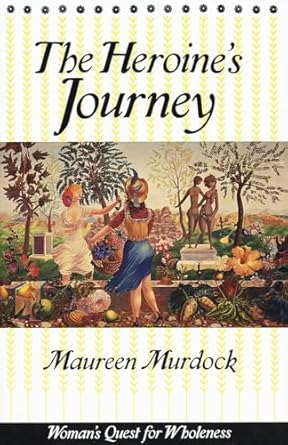
We’ve all heard of the Hero’s Journey as an archetypal story framework, but there are many other models from different perspectives (culture, languages, etc). This one is re-imagining a hero’s quest if it were not one single hero, but more a community, an approach that this author characterizes as what a heroine might do. While, as you may be able to tell, I’m not that into gender stereotypes, it’s a good book with an alternate approach to outline and worth reading especially if most of your reading has been with the hero’s quest. I would also recommend looking at other cultures’ story structures such as kishōtenketsu. There are some great youtube videos on kishōtenketsu.
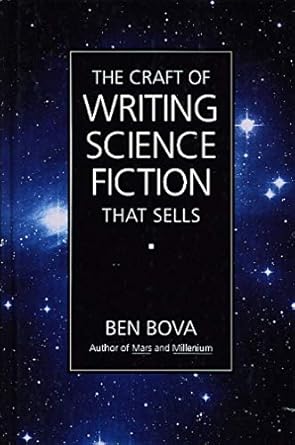
I remember Ben Bova books being this huge tomes that filled the small science fiction section of my local library when I was a kid. He is obviously a much more successful writer than me and this book was recommended to me by another writer who claimed it as the first and last reference one would ever need for the craft of short story writing specifically. It’s an easy read. There aren’t a lot of exercises, and to me, a lot of the recommendations seemed clearly of another era. That being said, if you want to write fiction that is more of the ‘Golden Age’ style this is probably a decent guidebook to that. I just don’t think it’s widely marketable at this point as the masters of that era have already written such great pieces.
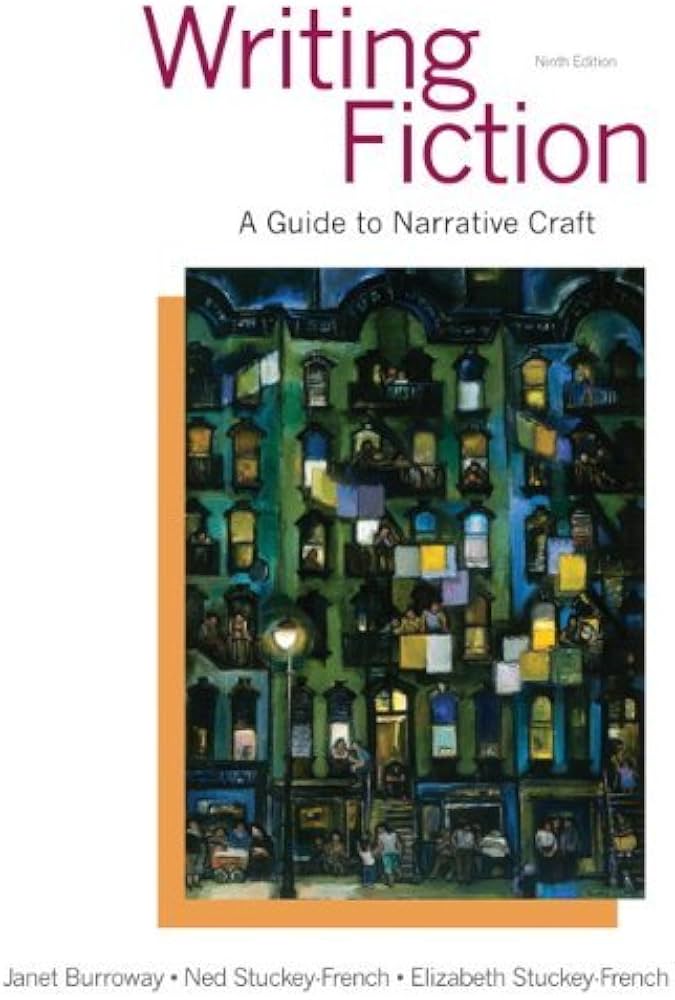
So this is a book written not for genre, but for literary writing, and as such it may not suit everyone focussed purely on genre. That being said, I loved this book. I think a lot of todays markets are veering more literary and in contrast to Ben Bova’s book above, I think this one actually prepares you better for todays SFF market even though that is not its goal. Each chapter reviews some major area (characterization, writing process, etc) but then it ends with several short stories that demonstrate the points it was trying to make. This was particularly interesting to me as these were not the kinds of stories I would normally read, let alone write, being aimed at a more literary audience and so this one brought something new for me.
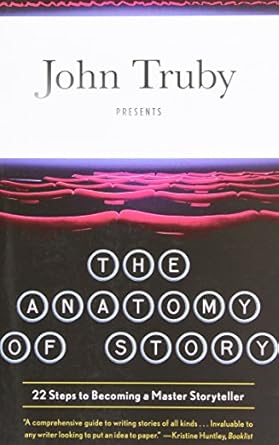
Of all the books I read this year, this was the one that I thought had most to offer, and yet, also made me work the hardest to get it. That being said, John Truby is not a fiction author himself. He is a consulting screenwriting editor, and one of the challenges I found with this book was his recommendation to do certain things before writing, which were really tools he uses to analyze problems in a completed script, and I found some of those things quite difficult to do up front. Nonetheless I will probably re-read this at some point as I think there is more here than I got out of a single read as it is hard going and took me a long while to complete.
Moving on to more SPECIFICS OF CRAFT (PROSE, CHARACTER, DESCRIPTION):

Excellent book. It oddly was not what I was expecting – I had expected teaching on poetic techniques (rhythm, sounds, word choice, etc) to evoke vivid description. This did talk a little about word choice, but not so much from a poetic lens but interestingly from a prose one – description viewed in each chapter through lenses such as character, place, etc. It’s high yield, well-written and well worth reading.

If you enjoyed using correct gramatical terms in school you will enjoy this. If you love making lists, you will enjoy this. I do not fall into either category. I do think for some people this approach would work, there was definitely some high yield and insightful content, but the exercises of making lists of words, combining word lists, making phrase list, etc was so interminably boring I really struggled, and I have a high tolerance for tedium. I would like to read this again as I do think there was more here that I didn’t get, but I know I won’t as I really did not connect with the exercises at all.
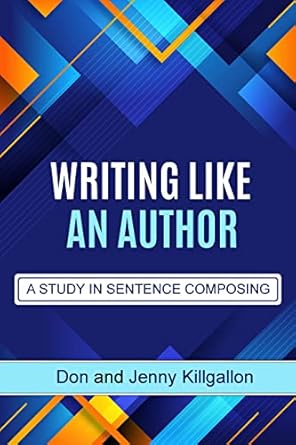
This book however did work for me, though in many ways its approach was not so different from the above one. Both relied on making lists and libraries, but this one started with complete sentences that you liked, so it started from a point where I already liked the text. I’m still working through this one, but at 50% its been excellent.
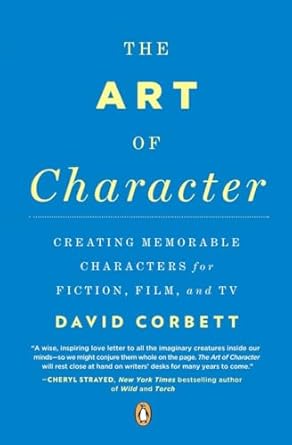
A very thoughtful book on character. One thing I have struggled with is making my characters likable, and this book really focuses on the granular of characters. How to conceive them, how to build them, and, very importantly, how to make even fatally flawed characters sympathetic.
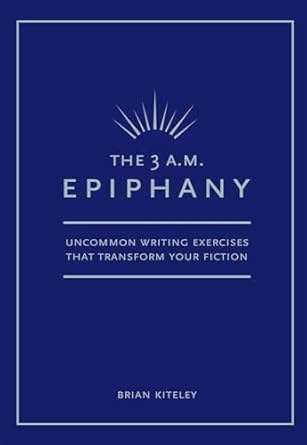
This book I am also still working through, but if you like exercises, you may like this book as it really is a dense collection of them. The exercises are also different from many that I have seen elsewhere and so I think this one is a valuable addition to your library.
So that’s it. Half the number of craft books that I read in 2023, but I will say some of the ones here (especially Truby’s volume) took me an inordinate amount of time to get through. Once again I will point out that buying all of these books I still spent less than the airfare to Clarion, let alone the tuition fee, so that is my justification! However, for this approach to work, you still have to have the motivation to read through, and with some I had to resort to going to writer friends or online groups and asking if people had read a specific book and if so, if they understood a specific point that I was struggling with. So despite seeming like a very solo activity, I think craft books can be a great group activity too.
If you have any favorite craft books you would like to recommend, please share them in the comments below!


I’ve read many in your list. I’ll have to check out “Description.” That’s an area where I feel kinda weak.
LikeLiked by 1 person